Macet-ting the Bar Higher: Why Brands Must Solve for "Urban Friction" in 2026
As traffic, pollution, and overstimulation intensify across Indonesian cities, the next generation of strong brands will be the ones that reduce friction instead of merely marketing through it.
Iqbal Asseweth
Chief "Urban-Warrior" at WANT.co.id
Friction is now the brief
Urban life across Indonesia is becoming harder to navigate. Congestion, longer commute times, heat, and worsening air quality are not background conditions anymore. They shape mood, attention, stamina, and spending behavior every single day.
That changes the role of branding. If a city resident is already navigating too many interruptions, another noisy billboard or generic activation does not feel persuasive. It feels extractive.
In 2026, the opportunity shifts from grabbing attention to serving the civic soul. The brands that matter will be the ones that make city life feel lighter, calmer, and more human.
The social health gap
Hours spent in traffic and highly individualized movement patterns are quietly weakening the social texture of urban life. People are surrounded by density, yet often feel isolated inside vehicles, under helmets, or between errands.
That is why the rising need is not just convenience. It is social health: places and experiences that restore belonging, decompression, and a sense of shared atmosphere.
- Shift from flagship-store thinking toward multifunction urban hubs that offer pause, connection, and relief.
- Design retail as a resilience space where people can access cleaner air, cooler temperatures, or a more grounded community rhythm.
- Treat the store not only as a point of sale, but as a point of recovery within a stressful city journey.
Reimagining Car Free Day
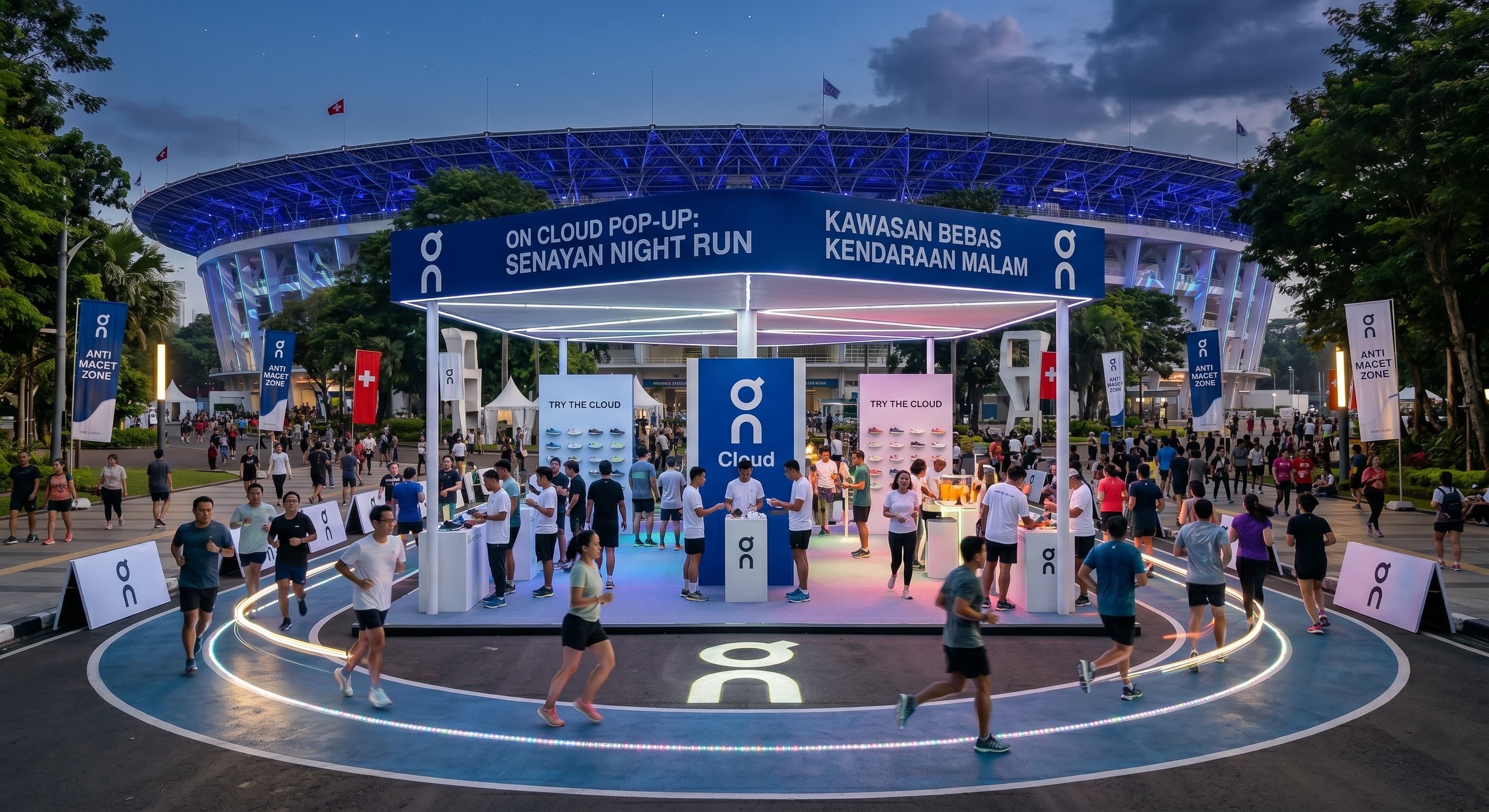
Car Free Day has enormous reach, but many brand activations still approach it like a temporary bazaar. That creates visibility, yet often fails to create meaningful depth or memorability.
The stronger move is to use CFD as a platform for civic healing rather than sales-first theater. If the city is exhausted, the brand can show up as a reset mechanism instead of another demand on people’s energy.
- Create restorative activations such as recovery stations, hydration rituals, or calming sensory zones.
- Use the moment to provide practical value, including real-time urban health information or myth-busting educational content.
- Frame participation around public usefulness so the activation earns gratitude, not just foot traffic.
Becoming urban utility
As budgets tighten and the middle of the market gets squeezed, brands sitting in the vague middle become easier to ignore. The response is not just sharper messaging. It is stronger function.
To stay relevant, brands need to behave more like civic utilities. That means helping people move, replenish, save time, or navigate everyday complexity with less friction.
- Explore AI-assisted logistics or zero-click replenishment models that work around traffic peaks rather than adding to them.
- Build services that improve last-mile life, whether through smarter delivery, pickup design, or commuter-aware timing.
- Look beyond transactions and ask what part of the city's daily stress your brand can meaningfully reduce.
Investing in local capability
Urban improvement is not only about interfaces and convenience layers. It is also about people. Brands that want to be credible city partners should help grow the human infrastructure that makes better experiences possible.
That can mean sponsoring vocational labs, supporting local service design talent, or helping train a new class of experience architects in dense commuter hubs where the need is most visible.
Branding for the lungs, not just the eyes
The most future-proof urban brands will understand that visibility is no longer enough. If a brand improves the quality of time, movement, or breathing within the city, it earns a deeper kind of relevance.
Brand leadership is moving from eyeballs to resilience. The winners will help the city recover, connect, and function better under pressure.