Snack to the Future: Why the Social Media Ban is a “Crunchella” Opportunity for FMCG
When younger audiences lose access to their usual digital playgrounds, the opportunity does not disappear. It moves. For snack brands, that shift can turn the product itself into the medium.
Iqbal Asseweth
Chief "Pun-isher" at WANT.co.id
The setup
If you have been following the news lately, you have probably seen the Ministry of Communication and Digital Information (Komdigi) introduce PP No. 17 of 2025, also known as PP TUNAS, alongside subsequent ministerial regulations that sharply limit access to social media for under-16 and under-17 audiences.
For many FMCG marketers, this can feel like an overnight collapse in reach. A big portion of the familiar TikTok and Instagram audience suddenly looks unavailable. But that does not mean young consumers stop wanting snacks. It means they start looking for new places, formats, and rituals that carry the same energy.
The implication is simple: this is the moment to move from screen-first marketing to snack-first marketing.
Threat or treat?
The ban on high-risk platforms such as YouTube, TikTok, and even Roblox for minors represents a serious shift in Indonesia’s media landscape. Yet restrictions rarely eliminate culture. They redirect it.
When digital third spaces are restricted, the physical product starts to matter more. Packaging stops being only a wrapper and becomes an interface. Flavor stops being only taste and becomes content. The product is no longer just what people buy. It becomes how they discover, share, remember, and perform identity offline.
Co-creation without corporate cringe
Gen-Z is highly fluent at spotting inauthenticity. Brands that want to stay relevant cannot keep broadcasting at them from a distance. They have to build with them, using the audience’s psychology, humor, and sensory preferences as part of the development process.
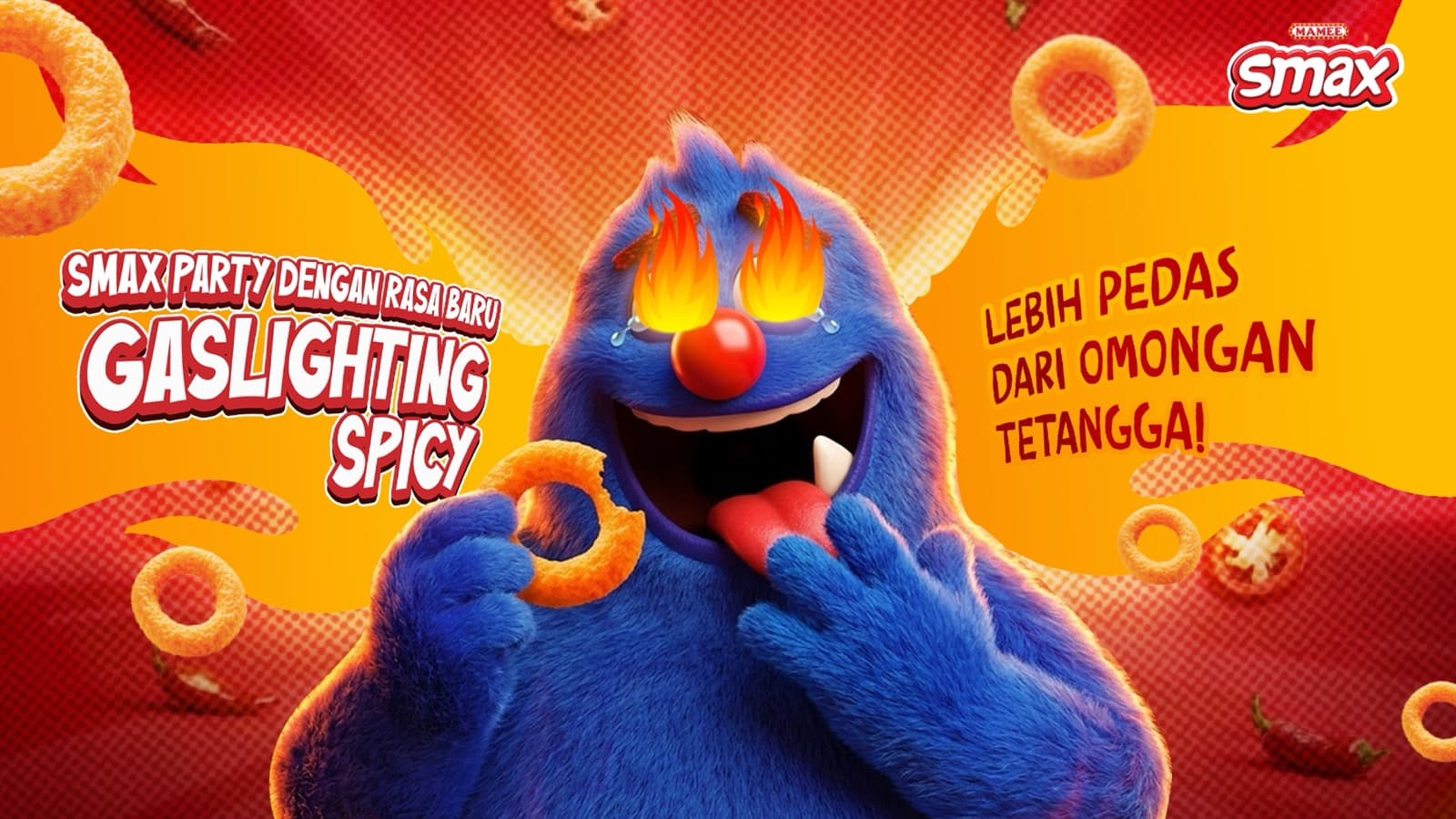
- "Gaslighting Spicy" flavor: a chip that smells sweet but lands with an unexpectedly intense ghost pepper kick.
- "Triggering Shapes": jagged, aggressive snack textures designed for sensory play and memorability.
- "Gatekept Garlic": intentionally hard-to-find limited drops that tap into exclusivity and "if you know, you know" behavior.
The swagger of indulgence
A useful reference point is Pot Noodle in the UK. Instead of trying to appear polished, healthy, or polite, the brand leaned into the noisy, messy satisfaction of slurping noodles. Even complaints became material for the campaign.
That same principle is relevant locally. If younger consumers can no longer post their usual social rituals online, brands can create new offline rituals worth talking about in their circles. Snack brands such as Smax or Chitato could build momentum through challenges, prompts, or collectible interactions placed directly inside the pack.
Building an offline-social strategy
If the most popular digital spaces are suddenly limited, brands need to rebuild social energy somewhere else. The answer is not to wait for the old channels to return. The answer is to turn community, place, and participation into the channel.
- Create localized IRL gaming tournaments or mall meetups as an offline counterpart to digital play spaces.
- Use packaging language rooted in Indonesian slang and local humor, so the product feels culturally native instead of generic.
- Target micro-tribes directly: school canteens, local basketball courts, and neighborhood hangout points rather than only pixel-based audience targeting.
The medium is the snack
The real lesson is that the social media ban should not be treated only as a barrier. It is also a filter. It filters out marketers who depend on boosted posts and rewards the brands that understand equity is built through shared experiences, not just impressions.
Gen-Z is not lost. They are waiting for brands that are real enough to meet them in the real world. That means the next competitive advantage is not a better engagement rate dashboard. It is a stronger vibe check, a sharper product idea, and a more memorable physical experience.