Eat, Pray, Post: Why Indonesia's "Slow Living" Revolution is a Gold Mine for Brands
As travelers and younger audiences seek calmer rhythms, panoramic routes, and regional authenticity, brands have a chance to win the micro-experiences that define modern Indonesian tourism.
Iqbal Asseweth
Chief "Wayfarer" at WANT.co.id
From destination to destiny
Indonesia's tourism appeal is no longer just about postcard beauty. The deeper shift is behavioral: younger audiences are searching for experiences that feel slower, more meaningful, and more emotionally specific than traditional destination marketing usually offers.
That is why the next travel opportunity is not only about promoting Wonderful Indonesia at a national scale. It is about helping people fall in love with the atmosphere, rituals, and personalities of specific regions, towns, and routes.
The panoramic commute as a brand space
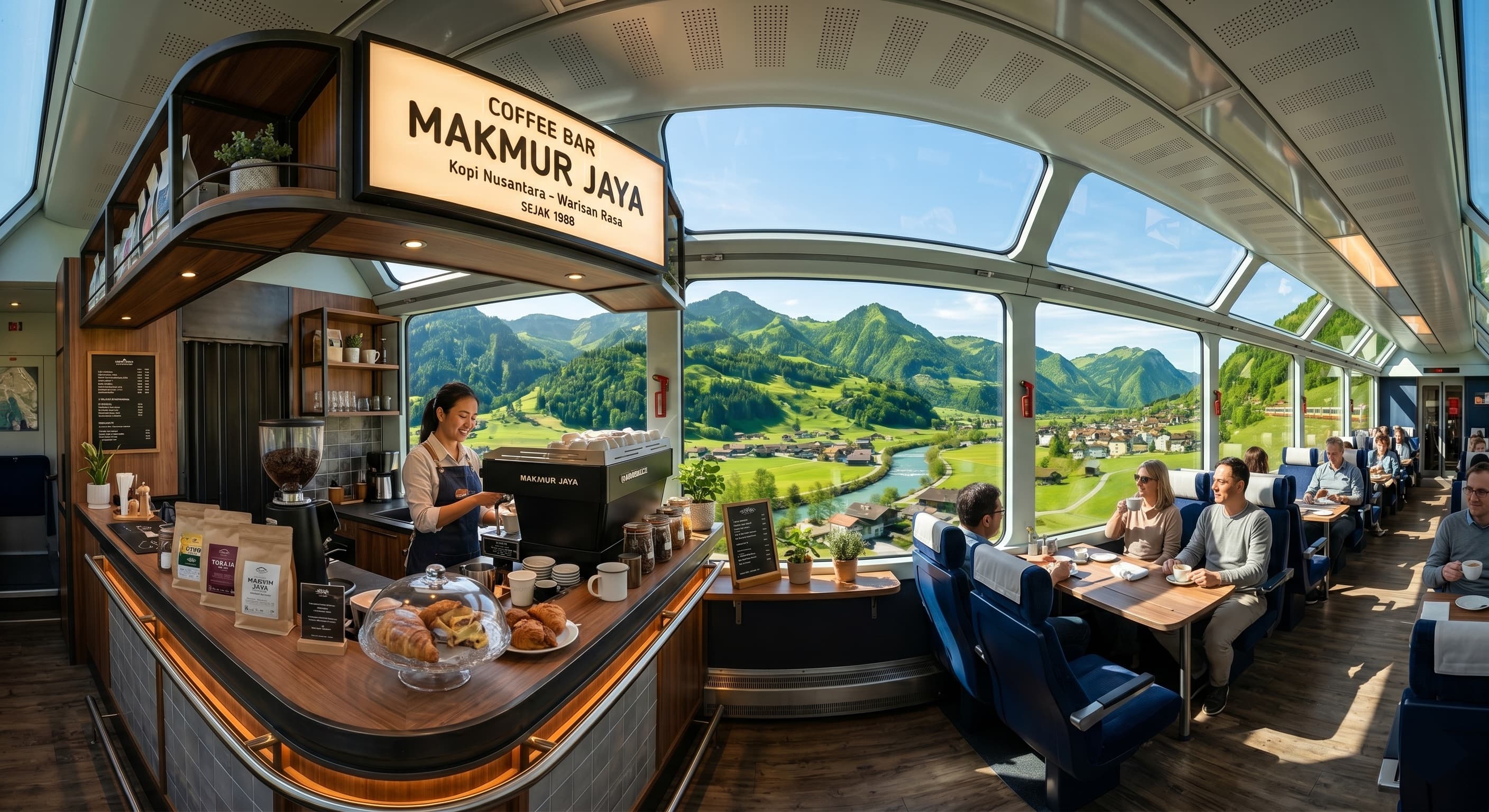
Rail travel is becoming more than transportation. Panoramic and heritage-style train experiences are turning certain routes into moving viewports, where the journey itself becomes the attraction.
For lifestyle, beverage, and hospitality brands, that creates a powerful third space. The audience is present, emotionally open, and highly likely to document what they are experiencing.
- Design pop-ups, menus, or branded rituals that belong naturally inside scenic rail journeys.
- Treat trains as immersive environments, not just transit inventory.
- Build for memory and shareability without flattening the slower pace that makes the experience special.
Slow-living cities are rising
The new aspiration is not always a penthouse in the busiest district. For many people, the stronger fantasy is reliable Wi-Fi, better air, cheaper routines, and a pace that feels less punishing.
Secondary cities and slower hubs are benefiting from this reset. When people choose a calmer environment, their spending patterns shift from fast consumption toward contribution, comfort, and continuity.
- Create home-office-away-from-home offers, long-stay bundles, or nomadic lifestyle support systems.
- Build products and services that fit remote-work rhythms rather than weekend-only tourism patterns.
- Understand that the value is no longer only sightseeing. It is the quality of living while being there.
Authenticity beats polish
A growing part of travel desire is now rooted in authenticity. Regional people, local coffee shops, unpretentious hospitality, and hidden-gem energy carry more emotional weight than overproduced destination clichés.
That means brands should not over-sanitize regional identity. The point is not to make every place feel premium in the same way. The point is to make each place feel more itself, and therefore more memorable.
Two-wheel tourism is infrastructure
With motorcycle ownership so widespread and regional roads continuing to improve, touring culture is becoming a larger part of the tourism economy. Travel is not just air routes and hotel bookings. It is also the road network, the stopovers, and the rituals built around movement.
- Automotive brands can create regional passport systems, milestone rewards, or route-based partnerships with local stays and merchants.
- Phygital loyalty works especially well here because the road trip itself produces tangible progress and memorable checkpoints.
- The brand that supports the route can become part of the travel story, not just a sponsor around it.
Decentralizing the dream
Tourism growth becomes more durable when hospitality knowledge is distributed, not concentrated. Regions need stronger local training ecosystems and brand participation if they want to scale experience quality without losing their character.
That opens a role for both government and private brands: invest in local guides, vocational hospitality pathways, and knowledge infrastructure that helps villages and smaller towns host growth on their own terms.
Beauty is the brief, connection is the KPI
Indonesia's tourism future will not be won by beauty alone. Beauty brings people in, but connection is what creates memory, advocacy, and repeat behavior.
Brands that move early into secondary cities, scenic routes, and slower-living ecosystems will not just capture a trend. They will help define the next emotional map of the Indonesian travel experience.