Mirror, Mirror on the Feed: Why "Skin-fluencers" are Driving Sales but Drowning Your Brand Equity
Beauty influencers can drive conversion at speed, but over-reliance on them often leaves brands with a louder review cycle and a weaker long-term identity.
Iqbal Asseweth
Founder/Strategist at WANT.co.id
The glow-up problem
Indonesia’s beauty market is booming. From legacy local players such as Wardah to fast-growing direct-to-consumer brands, the category is more crowded than ever and aggressively optimized for social visibility.
Yet that same momentum hides a structural problem. While influencers continue to move units quickly, many brands are losing clarity in the process. They may be winning the battle of the review, but they are losing the war of the brand.
Different platforms, different jobs
Beauty can no longer run on a one-platform-fits-all mindset. TikTok and Instagram now play materially different roles in how a brand is discovered, remembered, and shared.
- TikTok acts as the personality engine. It rewards hook, resonance, and feed-native presence over follower count.
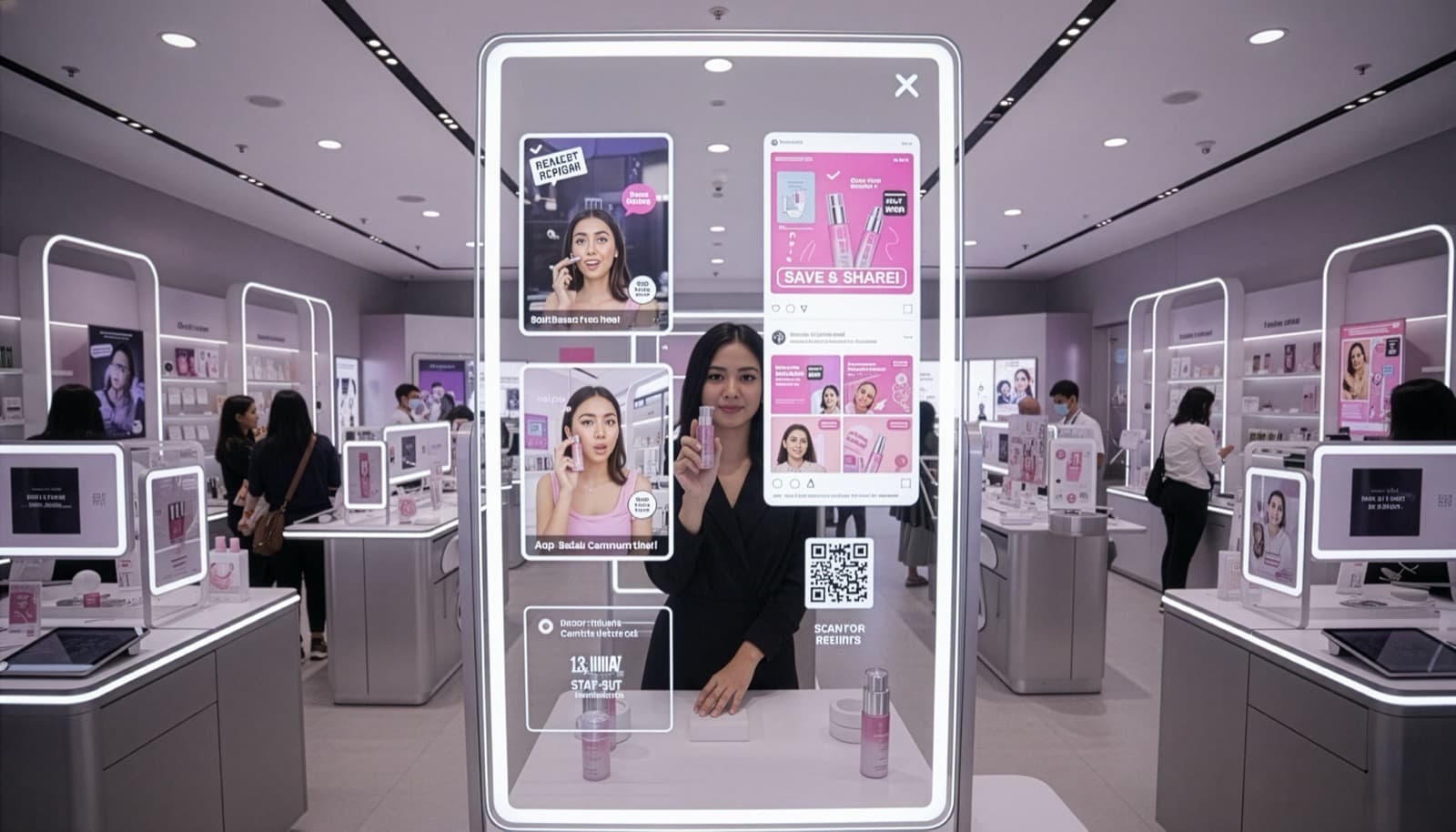
- Instagram has become harder for organic reach, but stronger for saves and shares, making it better suited for content people want to keep and pass on.
- That means beauty brands are no longer competing only against each other. They are competing against whatever captures attention next in the feed.
Reviews are easy, equity is hard
Too many beauty brands use influencers like paid vending machines: brief them, get the review, drive the click, move on. The problem is what happens after the influencer stops talking.
Without a unifying creative hook and a clearly held brand voice, a campaign built on many creators often produces noise rather than positioning. Consumers hear praise, but they do not retain a point of view.
Gen-Z especially is not looking for polished perfection. They are more likely to trust the product that survives an honest test under Jakarta humidity than one wrapped in scripted positivity.
Breaking clutter through local context
International and premium beauty brands often miss in Indonesia because they import a global aesthetic without translating it into local behavior. They bring a polished Parisian pose into a market that responds better to relevance, humor, and lived reality.
The Mistine example from Thailand is useful here. The brand does not just sell product benefit. It sells cinematic, emotionally legible confidence through highly local storytelling.
- Premium brands should build "identity labs" in retail, not just prettier counters.
- AR and AI mirrors can become more useful when they simulate real local conditions, such as commuting, heat, and long wear.
- The best localization does not flatten a brand. It gives the brand a more believable voice in-market.
From followers to fandom
The next stage of beauty growth is not about buying more impressions. It is about building a deeper layer of belief.
- Stop scripting influencers word-for-word and give them creative space within a clear strategic frame.
- Use TikTok for sharp discovery content that solves or reframes a problem in the opening seconds.
- Use Instagram for assets people want to save and share, such as shade guides, cheat sheets, and visually useful carousels.
- Connect online reviews to in-store trial through QR-enabled shelving and real-use proof.
Context rules the category
In beauty, content may still be king, but context determines whether that content builds memory or just momentary movement.
The strongest Indonesian beauty brands will be the ones that turn creator activity into a believable world, not just a burst of conversion. The goal is not to be a brand people try once. The goal is to be a brand people trust enough to stay with.